Homemade Gingerbread Chef
In the competitive landscape of small business branding and personalized gifting, the difference between a generic product and a memorable experience often lies in the details. For entrepreneurs, hobbyists, and creative professionals, the ability to produce high-quality, emotionally resonant merchandise is not just an aesthetic choice—it is a strategic operational advantage. This is where specialized assets like the Homemade Gingerbread Chef machine embroidery design come into play. It is not merely a festive graphic; it is a tool for communication that bridges the gap between traditional craftsmanship and modern brand identity.
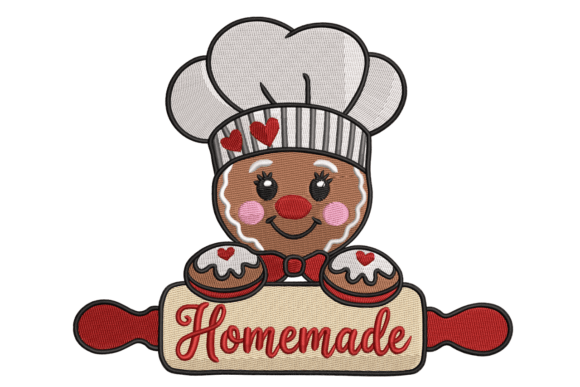
The Homemade Gingerbread Chef features a cheerful Gingerbread Man dressed as a chef, complete with a hat decorated with tiny hearts. He leans playfully over a rolling pin displaying the word Homemade in sweet red script, accompanied by miniature cupcakes or cookies. While this imagery is undeniably charming, its value extends far beyond seasonal decoration. When integrated thoughtfully into your product line or marketing materials, this design supports goals related to authenticity, customer connection, and brand positioning. Understanding how to leverage such designs effectively requires moving past simple appreciation of their visual appeal and toward a structured approach to implementation.
Strategic Positioning Through Visual Storytelling
One of the most significant challenges for small business owners and creators is conveying trust and quality without extensive advertising budgets. Consumers today are skeptical of mass-produced goods. They seek evidence of care, effort, and human touch. The Homemade Gingerbread Chef serves as a visual shorthand for these values. The inclusion of the word "Homemade" on the rolling pin is not accidental; it signals to the viewer that the product bearing this design was created with intention and care, mirroring the sentiment itself.
For brands in the culinary, baking, or lifestyle sectors, this design reinforces core messaging. If you are selling kitchen towels, aprons, or chef uniforms, applying this embroidery transforms a utilitarian item into a statement piece. It tells the customer, "I value the art of cooking." This alignment between product function and emotional resonance strengthens brand loyalty. A decision-maker looking to expand their holiday inventory should consider this design not just as a Christmas item, but as a representation of the "maker" ethos that appeals to a broad demographic aged 20–50 who prioritize authentic experiences over fleeting trends.
Operational Efficiency and Versatility
From an operational standpoint, the technical specifications of the Homemade Gingerbread Chef design offer practical benefits for production workflows. The design comes with multiple embroidery file formats, ensuring compatibility across various machine types. This versatility reduces friction in the manufacturing process. Whether you are using a single-needle home embroidery machine for small-batch custom orders or a multi-head commercial machine for larger runs, having standardized, compatible files means less time spent troubleshooting digitization issues and more time focused on production and fulfillment.
This efficiency allows creators to pivot quickly based on market demand. For instance, if data indicates a surge in requests for personalized gifts for bakers, having a ready-to-use, high-quality design like this one enables rapid response. You can customize kitchen towels or aprons for specific clients without the delay of commissioning new artwork. This agility is crucial for freelancers, bloggers, and small business owners who need to maintain cash flow and meet tight deadlines. The ability to deploy this asset immediately supports better resource management and reduces the overhead associated with custom graphic design commissions.
Selecting the Right Applications
To maximize the return on investment for this design, it is essential to select applications that align with both the aesthetic and the functional needs of your target audience. Not every surface is suitable for embroidery, and not every product category will benefit from this specific theme. Consider the following strategic use cases:
- Kitchen Textiles: High-thread-count cotton towels and durable aprons provide an excellent canvas. The texture of the fabric complements the "homemade" narrative, enhancing the tactile experience for the user.
- Professional Apparel: For chefs or serious home bakers, branding their uniforms with this design adds a layer of personality and pride. It differentiates them in a crowded market, whether they are catering events or running a boutique bakery.
- Holiday Gift Sets: Bundling this embroidered item with other baking tools creates a high-perceived-value gift. This strategy is particularly effective for marketers targeting the Q4 holiday season, where emotional gifting drives sales.
- Corporate Swag: Small businesses often struggle with unique corporate gifts. A set of embroidered aprons featuring the Homemade Gingerbread Chef can serve as a thoughtful, memorable token for employees or partners, reinforcing company culture around creativity and care.
Risks of Misalignment and Contextual Failure
While the Homemade Gingerbread Chef is a versatile asset, relying on it without clear strategic context can lead to diminished returns. One common pitfall is over-saturation. If every product in your catalog features the same festive motif, your brand may appear generic rather than distinctive. It is vital to curate where and when this design appears. Using it exclusively during the winter months or for specific "baker-themed" collections helps maintain its novelty and perceived value.
Another risk is mismatched audience expectations. The design’s whimsical nature, with its heart-decorated hat and playful posture, appeals strongly to those who enjoy warmth, nostalgia, and humor. However, if your brand positioning is strictly minimalist, industrial, or ultra-luxury, this design may clash with your established identity. Decision-makers must evaluate whether the tone of the graphic aligns with their long-term brand voice. A luxury fashion label, for example, might find the "sweet red script" too casual for their premium clientele. In such cases, the design should be reserved for sub-brands or limited-edition collaborations rather than core offerings.
Furthermore, ignoring the technical limitations of embroidery can result in poor product quality. Embroidery has constraints regarding fine detail and color gradients. If the digitization of the Homemade Gingerbread Chef is not optimized for the specific fabric being used, the image may become muddy or distorted. Entrepreneurs must test samples rigorously before scaling production. Failing to do so can damage reputation, as customers expect precision in handmade or semi-handmade goods. The cost of rework and customer service complaints often outweighs the savings from skipping quality assurance steps.
Long-Term Value and Brand Building
Viewing the Homemade Gingerbread Chef through a long-term lens reveals its potential as a cornerstone of brand storytelling. Consistency in visual language builds recognition. By integrating this character into your marketing communications—such as social media posts, email newsletters, and packaging—you create a cohesive narrative. Over time, this character becomes associated with your brand’s values of joy, creativity, and homemade quality.
For educators and content creators, this design offers opportunities for engagement. A blogger teaching baking techniques could use images of the embroidered apron to illustrate the joy of the craft. A marketer could launch a campaign centered around "The Joy of Homemade," using the design as a visual anchor. These strategies deepen the relationship with the audience, transforming passive consumers into active participants in the brand’s story. The key is to use the design intentionally, ensuring that each application serves a specific purpose in educating, entertaining, or converting the audience.
In conclusion, the Homemade Gingerbread Chef is more than a decorative element; it is a strategic asset for those who understand the power of emotional connection in commerce. By approaching its use with planning, contextual awareness, and attention to quality, entrepreneurs and creators can enhance their brand positioning, improve operational efficiency, and foster deeper customer loyalty. The goal is not just to sell a product, but to communicate a value system—one stitch at a time. Success lies in the deliberate integration of such designs into a broader framework of thoughtful business practice, ensuring that every output reflects both aesthetic excellence and strategic intent.