Evaluating the Love Embroidery Design for Seasonal Projects
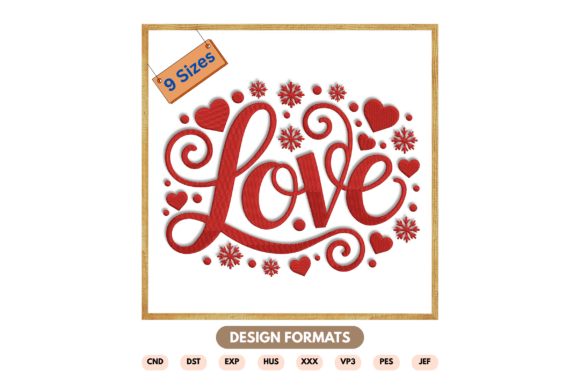
In the competitive landscape of custom apparel and boutique home décor, finding a design that bridges seasonal trends with timeless appeal is a constant challenge. The Love Embroidery Design emerges as a compelling option for creators looking to merge the romantic aesthetics of Valentine’s Day with the cozy, textured atmosphere of winter. This digital asset is not merely a graphic; it is a digitized file engineered for specific stitching behaviors, offering a blend of bold script lettering, heart motifs, snowflakes, and decorative swirls. For professionals in the embroidery industry, small business owners, and serious hobbyists, understanding the technical and aesthetic merits of this design is crucial before integrating it into production workflows.
Design Aesthetics and Thematic Integration
The primary strength of this design lies in its ability to harmonize two distinct seasonal themes without creating visual clutter. Typically, Valentine’s Day designs lean heavily on reds and pinks, while winter-themed items favor cooler palettes or neutral tones. This Love Embroidery Design navigates that intersection by utilizing a classic script font surrounded by elements like snowflakes and hearts. The result is a piece that feels appropriate for late December through February, allowing merchants to extend the lifecycle of their inventory beyond a single holiday.
The inclusion of decorative swirls adds an element of elegance, elevating the design from a simple novelty item to something suitable for wedding accessories or high-end boutique gifts. The script lettering serves as the focal point, providing clear readability while maintaining a soft, romantic character. When placed on dark-colored hoodies or cream-colored tote bags, the contrast created by the satin stitches can be particularly striking, provided the thread color selection is intentional. This versatility makes it a strong candidate for "transition" collections—items that sell well during the colder months but do not feel out of place once spring arrives.
Technical Execution and Stitch Quality
For embroidery professionals, the visual appearance is only half the equation; the underlying digitization determines the final product’s quality. This design is noted for its use of smooth satin stitching and clean curves. Satin stitches are essential for text and outlines in embroidery, as they provide a polished, filled-in look that resists fraying and maintains shape over time. The emphasis on smoothness suggests that the underlay stitches have been optimized to prevent fabric puckering, a common issue when working with dense lettering on stretchy materials like sweatshirt fleece.
- Satin Stitch Consistency: The lettering relies on consistent stitch density, which ensures that the word "Love" remains legible and structurally sound even after multiple wash cycles.
- Clean Curves: The decorative swirls and snowflake details utilize curved paths that minimize the need for excessive trim jumps, potentially reducing production time per unit.
- Registration Accuracy: Well-digitized designs like this typically feature precise registration points, ensuring that the hearts and snowflakes align perfectly with the script rather than drifting off-center.
However, the effectiveness of these technical features depends heavily on the hardware and thread quality used during production. While the digitization may be excellent, running this design on low-quality polyester threads or older machines with inconsistent tension could lead to breakage or uneven coverage. Therefore, testing on sample fabrics is recommended before committing to bulk orders.
Material Compatibility and Application
The suggested applications for this design span a wide range of substrates, each presenting unique challenges. Sweatshirts and hoodies are perhaps the most natural fit, given the cozy winter vibe associated with the design. The thickness of the fabric complements the density of the satin stitches, preventing the design from looking too thin or flimsy. Tote bags, made from canvas or cotton duck, offer a different texture that can highlight the crispness of the script lettering.
Pillows and blankets present a slightly different use case. Here, the design often serves as a central accent rather than a chest logo. On plush fabrics, the snowflake and heart motifs can create a tactile experience that enhances the "cozy" marketing angle. However, embroidering on thick pile fabrics requires careful hooping techniques to avoid distorting the design. The Love Embroidery Design’s relatively compact footprint makes it adaptable to various placement options, from center-chest placements on apparel to corner accents on throw pillows.
Target Audience and Commercial Viability
This design caters to a broad spectrum of users, from individual crafters selling at local markets to established e-commerce brands managing large inventories. Its dual-season relevance is its strongest commercial asset. By designing for both Valentine’s Day and general winter warmth, sellers can reduce the risk of unsold seasonal stock. A hoodie featuring this design can be marketed in November as a "Winter Cozy Essential" and transitioned in January to a "Valentine’s Gift Idea," effectively doubling its potential sales window.
For entrepreneurs and marketers, the design’s aesthetic aligns with current consumer preferences for personalized, heartfelt gifts. The combination of script typography and traditional symbols (hearts, snowflakes) triggers emotional responses associated with love, comfort, and nostalgia. This makes it particularly effective for:
- Wedding Accessories: Customizing guest favors, bridal party robes, or honeymoon luggage tags.
- Boutique Apparel: Creating limited-edition winter collections that stand out from generic holiday merchandise.
- Home Décor: Selling matching sets of embroidered pillows and blankets as gift bundles.
Furthermore, the designation for both personal and commercial use expands its utility. Hobbyists can create one-off gifts for family members, adding a personal touch that store-bought items lack. Meanwhile, businesses can integrate the design into their supply chain with confidence, knowing the licensing allows for resale.
Practical Considerations and Limitations
While the Love Embroidery Design offers significant advantages, it is important to approach its implementation with realistic expectations. The success of any embroidery project is contingent upon proper digitization for the specific fabric type. A design that looks perfect on stiff cotton may perform poorly on slippery silk or highly elastic jersey knits without additional stabilizers or technique adjustments.
Additionally, the color palette implied by the "winter" theme must be managed carefully. If the designer uses only bright reds and whites, the design may feel too exclusively Valentine-centric. Incorporating navy blues, grays, or metallic golds can broaden its appeal to those seeking a more subtle, sophisticated winter aesthetic. Creators should experiment with thread colors to ensure the design fits their brand’s identity.
There is also the consideration of market saturation. Script-based love designs are popular in the embroidery community. To differentiate a product using this design, focus on the quality of the base garment, the uniqueness of the packaging, and the storytelling behind the product. The design itself is a tool; the value is added by how it is presented and utilized.
Conclusion
The Love Embroidery Design represents a thoughtful integration of romantic and seasonal elements, executed with attention to technical stitching requirements. Its smooth satin lettering and balanced composition make it a reliable choice for a variety of projects, from casual winter wear to formal wedding accessories. For professionals and hobbyists alike, its flexibility across different substrates and its extended seasonal relevance provide practical value that supports efficient inventory management and creative expression. By combining this design with high-quality materials and strategic marketing, creators can produce items that resonate deeply with customers seeking warmth, love, and timeless style in their everyday belongings.